

THANK YOU FOR SUBSCRIBING

× 
Education Technology Insights Weekly Brief
Be first to read the latest tech news, Industry Leader's Insights, and CIO interviews of medium and large enterprises exclusively from Education Technology Insights
A featured contribution from Leadership Perspectives: a curated forum reserved for leaders nominated by our subscribers and vetted by the Education Technology Insights Advisory Board.

University of Central Arkansas
Scaffolding Teacher Training: Integrating Early Practicum and Authentic Learning Experiences to Prepare for Year-Long Residency
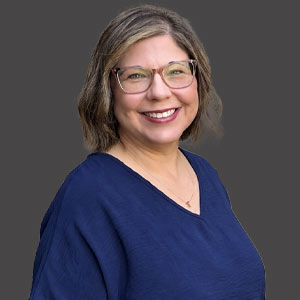
Stefanie R. Sorbet
My twenty-six years of education all began in a fourth-grade classroom. I then spent a decade teaching third grade while also mentoring and hosting interns in my classroom. These experiences formed my transition into higher education, first as a clinical instructor at my alma mater, and then relocating to the University of Central Arkansas earning tenure and currently serving as the chair of the department of elementary, literacy and special education and still learning from my students and colleagues every single day.
Rehearsals and Reflections
Educator preparation programs should provide experiences and training that mirror the expectations of the profession, while also supporting interns as they grow and develop as novice educators. Pedagogy, methodology and practicum experiences are very necessary. We also believe that interns benefit from authentic learning experiences allowing them to practice or “rehearse” instructional strategies first in our on-campus classrooms and then implementing those in a practicum, all under a professor’s guidance. Such “rehearsals” should be followed by debrief and reflection to discuss the impact that these strategies could have on learners. Engaging interns in “rehearsals” and reflective practices provide opportunities to refine teaching, gain confidence and practice metacognition. These exercises mold interns into becoming reflective practitioners who naturally analyze the impact of their own instructional methods.
Instructional practices, Classroom Management and Social-emotional learning
In addition to training interns in literacy instruction grounded in the science of reading, utilizing high quality instructional materials and requiring planning and delivery of engaging lessons across the curriculum, we also provide a solid understanding of appropriate classroom management techniques. Our students create positive classroom communities that build rapport so children feel supported and welcomed. Grounding behavior management into Arkansas GUIDE for Life and CASEL’s five social and emotional competencies help interns to understand and refine their own “soft” skills necessary for establishing a positive classroom environment for the children they teach. Our interns gain practice creating lessons centered around themes including social awareness, self-awareness, responsible decision making, self-management and relationship skills in an effort to practice establishing community principles and what is expected in the elementary classroom.
"Interns deserve the opportunity to form deep connections between theory and practice as they progressively build on their learning throughout our teacher training program."
Educator preparation should include training in specific management strategies and tools including establishing routines, expectations, procedures, class rules, positive reinforcement, logical consequences and how to effectively communicate with the variety of families of the children they serve. Interns develop the best classroom management skills when working alongside highly qualified mentors who model positive behavior strategies. By experiencing real-world misbehaviors firsthand in their field practicum, interns learn how to effectively reinforce, remind and redirect students as well as use positive teacher language as outlined by Denton in 2007. Most importantly, these authentic experiences must later be “unpacked” through ongoing discussions with a supervisor or mentor to help the intern to analyze the root causes of misbehavior and identify strategies that work best for that specific child in the future.
Year-Long Residency and Early Field to Residency Progression
Our interns are placed in partnering schools early in our program alongside qualified mentor teachers where they gain experiences with children and develop deep connections between theory and practice. In response to Arkansas’ shift to a year-long residency model, we have increased early field experiences to ensure students are fully prepared.
Once admitted into our program at the sophomore or junior level, our interns enroll in a site-based course at a local elementary school at the start of their junior year. They work directly with struggling readers to learn literacy intervention strategies under a professor’s guidance. By the end of their junior year, interns split their time between campus classes two days a week, a mentor teacher’s classroom one day per week and a literacy intervention site-based project one day per week.
In their senior year they enter residency I and enroll in oncampus courses once a week and spend three other days in their practicum classrooms. In the second semester or residency II, interns spend four to five days per week immersed in those same practicum classrooms. The senior year residency is spent entirely in the same school so the intern can become very familiar with the overall operations while coming to understand how to run and manage a classroom for two full semesters. During this time the resident plans, practices, receives feedback and teaches alongside their mentor teacher. This partnership also creates a co teaching environment allowing for the children to have access to not one but two teachers for two semesters.
Summary
With a nationwide teacher shortage impacting us all, proper teacher training should be scaffolded and authentic. Interns deserve the opportunity to form deep connections between theory and practice as they progressively build on their learning throughout our teacher training program. Intentionality is at the heart of what we do and we strive to maintain strong partnerships with nearby districts to ensure collaboration and to continue to provide scaffolded practicum experiences. We believe this work fosters the resilience, support and staying power our interns need to grow and develop into lifelong educators.
The articles from these contributors are based on their personal expertise and viewpoints, and do not necessarily reflect the opinions of their employers or affiliated organizations.
